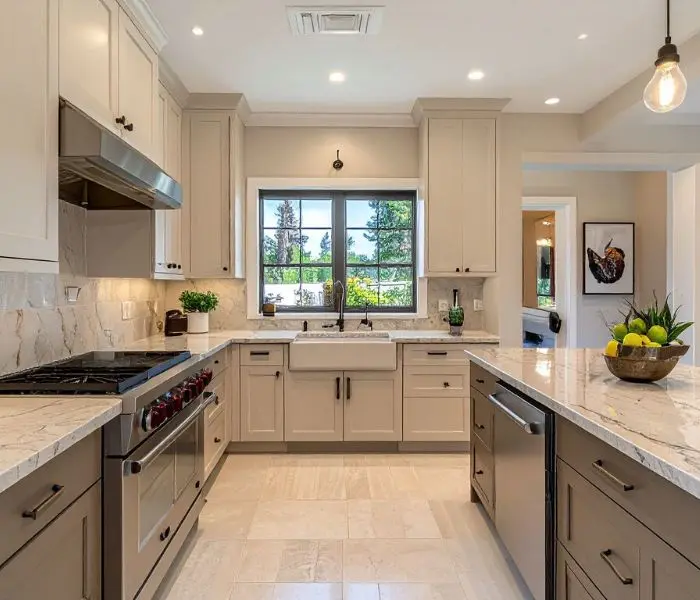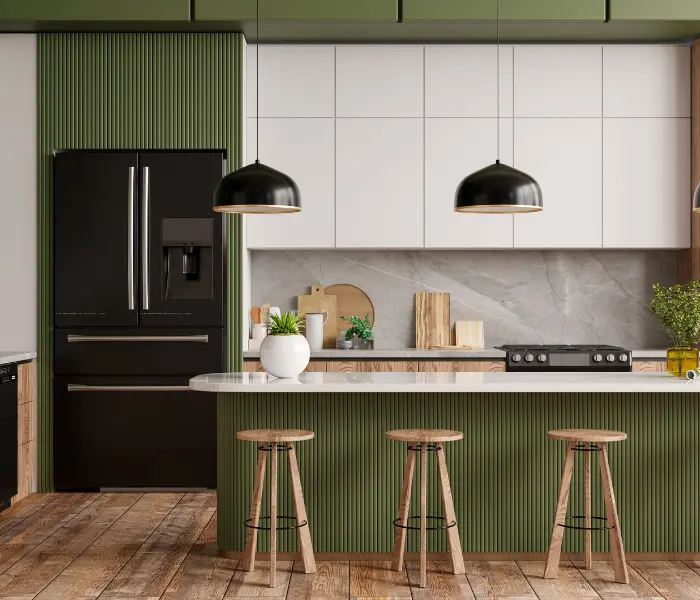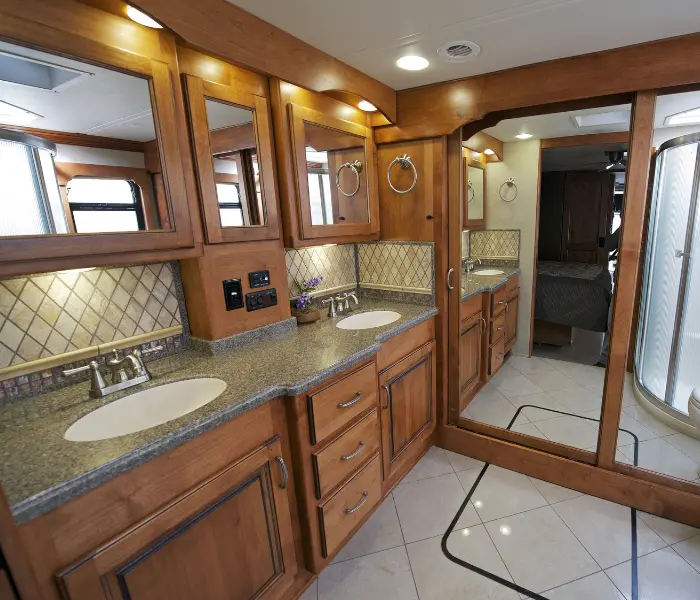
Your kitchen should be more than a place to prepare meals. It should be a functional, welcoming space that reflects your lifestyle, storage needs, and personal design preferences. If your current cabinets lack storage, have an outdated appearance, or do not fit your kitchen layout, custom cabinetry may be the solution.
For homeowners exploring custom cabinets in MA, understanding the design process, pricing considerations, and installation timeline can help you make informed decisions. This guide explains what to consider when planning custom kitchen cabinets and how professional design services can help bring your vision to life.
Why Choose Custom Cabinets in MA for Your Kitchen?
Custom cabinets are designed to fit the specific dimensions, layout, and requirements of your kitchen. Unlike standard stock cabinets, custom cabinetry offers greater flexibility in sizing, configurations, materials, and finishes.
Massachusetts homes feature a wide range of architectural styles, from traditional New England properties to contemporary residences. Custom cabinets can be designed to complement your home’s existing character while providing modern functionality.
Some benefits of custom kitchen cabinets include:
- Better use of available kitchen space.
- Cabinet sizes tailored to your layout.
- Personalized storage solutions.
- A wider range of materials, finishes, and design details.
- The ability to coordinate cabinetry with your overall remodeling plans.
Custom cabinetry is particularly useful when your kitchen has unusual dimensions, limited storage, or specific design requirements.
Custom Cabinet Design: Planning Your Ideal Kitchen
A successful cabinet project begins with thoughtful design. Before selecting colors or hardware, consider how your kitchen is used every day and which features would make the space more convenient.
1. Evaluate Your Kitchen Layout
The existing layout influences cabinet placement, storage capacity, and workflow. A professional kitchen designer can help you evaluate the location of appliances, countertops, walkways, windows, and doorways.
Depending on your needs, you may consider:
- Additional base or wall cabinets.
- A kitchen island with storage.
- Pantry cabinets.
- Corner storage solutions.
- Specialized drawers for cookware and utensils.
The goal is to create a kitchen that balances appearance with practical functionality.
2. Select Cabinet Materials and Finishes
Custom cabinets are available in a variety of materials and finishes. Your selection should reflect your budget, preferred aesthetic, and expectations for durability.
Popular options include painted cabinetry, natural wood finishes, and contemporary styles with clean lines. Cabinet construction, hardware quality, and finishing techniques can all influence the final result.
When reviewing materials, ask about construction methods, finish durability, maintenance requirements, and available customization options. These details help you compare options beyond appearance alone.
3. Prioritize Storage and Functionality
Beautiful cabinets should also make your kitchen easier to use. Consider the items you store most frequently and how you prefer to organize them.
For example, deep drawers can provide convenient access to pots and pans, while tall cabinets can use vertical space for pantry storage. A designer can help identify opportunities to improve accessibility and reduce clutter.
How Much Do Custom Cabinets in MA Cost?
The cost of custom cabinets in MA varies depending on several factors. There is no single price that applies to every kitchen because each project involves different dimensions, materials, construction specifications, and installation requirements.
Key factors that influence cabinet pricing include:
- Kitchen size and cabinet quantity.
- Cabinet materials and construction.
- Door styles and finish selections.
- Hardware and interior accessories.
- Design complexity.
- Installation requirements.
- Removal of existing cabinetry, if applicable.
Custom cabinets typically require a larger investment than many stock cabinet options because they involve individualized design and manufacturing. However, the final cost depends on the specific project.
How to Plan Your Cabinet Budget
Before beginning your project, establish a realistic budget and discuss your priorities with your cabinet designer. Request a detailed proposal that clarifies what is included, such as design services, cabinetry, hardware, delivery, and installation.
Ask whether the proposal includes any additional work, including modifications to walls, plumbing, electrical systems, or countertops. Confirming these details early can help reduce unexpected costs.
For professional guidance, explore custom cabinet design services to learn more about planning a cabinetry project for your home.
Custom Cabinet Installation: What to Expect
Once your cabinet design and selections are finalized, the installation process can begin. The exact timeline depends on cabinet availability, manufacturing, project scope, and site conditions.
Step 1: Design Consultation and Measurements
The process typically starts with a discussion of your goals, preferred style, storage needs, and budget. Accurate measurements are essential to ensure that the cabinet design fits the kitchen.
Step 2: Cabinet Selection and Approval
You will review cabinet styles, materials, finishes, hardware, and layout options. Before production begins, confirm the design details and project specifications.
Step 3: Preparation and Installation
The kitchen may need to be cleared, and existing cabinets may need to be removed. Depending on the project, other trades may be involved before installation.
Cabinets are then installed according to the approved design. Proper alignment, secure attachment, and careful finishing are important for the overall quality of the project.
Step 4: Final Inspection
After installation, review cabinet doors, drawers, hardware, and finishing details. Address any adjustments or concerns with the project team.
How to Choose a Custom Cabinet Company in Massachusetts
Choosing the right cabinet professional involves more than comparing prices. Look for a company that communicates clearly, understands your design goals, and provides transparent information about the project.
Consider asking:
- Do you offer personalized kitchen cabinet design?
- What cabinet materials and finishes are available?
- Is installation included in the proposal?
- How are measurements and layout decisions handled?
- Can you provide examples of completed projects?
- What is the expected project timeline?
Reviewing the company’s experience, portfolio, and service process can help you determine whether its approach matches your expectations.
FAQs About Custom Cabinets in MA
1. Are custom cabinets worth the investment?
Custom cabinets may be worthwhile for homeowners who value personalized dimensions, specialized storage, and design flexibility. Their value depends on your kitchen requirements, budget, and long-term plans.
2. How long does custom cabinet installation take?
The timeline varies based on the kitchen size, cabinet production schedule, preparation work, and installation complexity. Your cabinet provider can give you a project-specific estimate.
3. Can custom cabinets fit a small kitchen?
Yes. Custom cabinets can be designed around specific room dimensions and storage needs, making them an option for kitchens with limited or unusual space.
4. What affects the cost of custom kitchen cabinets?
Materials, cabinet quantity, finishes, hardware, design complexity, and installation requirements all influence the total project cost.
5. Should I choose cabinet design before remodeling?
It is generally helpful to coordinate cabinet design with your broader remodeling plans. This allows cabinet dimensions and placement to be considered alongside appliances, countertops, lighting, and other features.
Transform Your Kitchen With Custom Cabinets
The right cabinetry can improve your kitchen’s storage, functionality, and visual appeal. Whether you are planning a complete kitchen remodel or upgrading your existing cabinets, professional design guidance can help you explore options that fit your home.
If you are considering custom cabinets in MA, visit Collaborative Kitchen & Design’s custom cabinet services to learn more about your options. Start planning a kitchen that combines thoughtful design, practical storage, and a style you will enjoy for years to come.