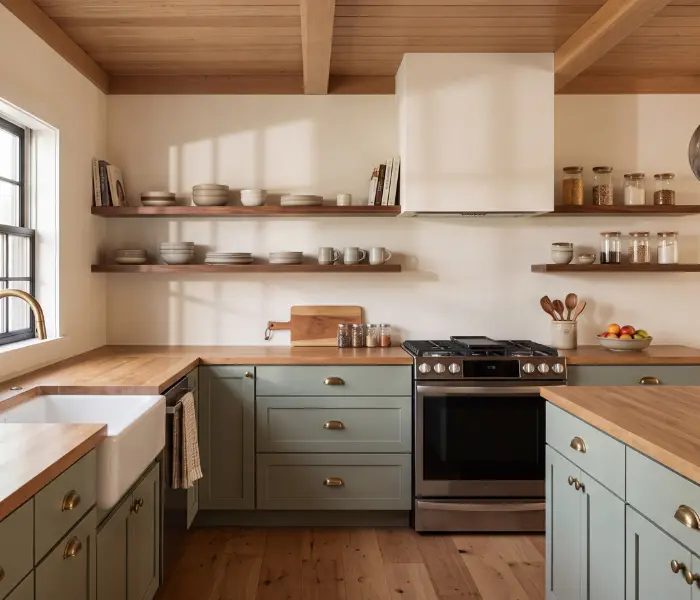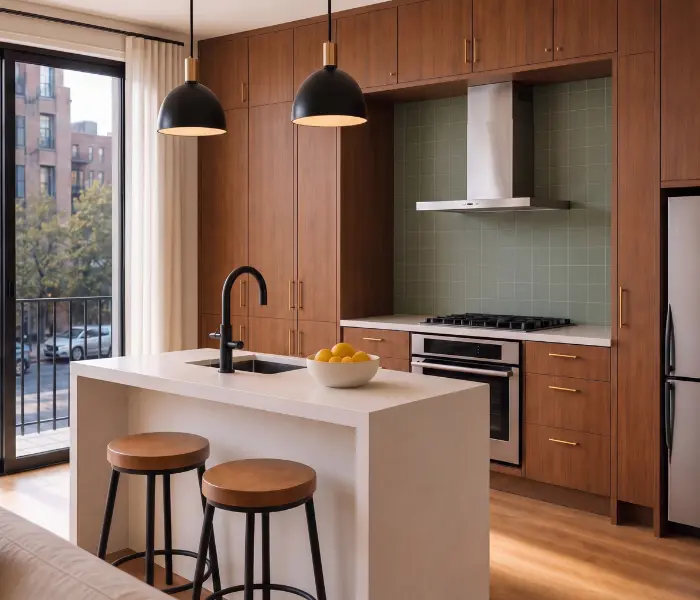
Choosing the best countertop material for your kitchen is an important part of planning a remodel. Kitchen countertops influence the appearance, functionality, maintenance requirements, and overall feel of your space. With options ranging from quartz and granite to natural stone and other engineered surfaces, finding the right material depends on your lifestyle, design preferences, and budget.
Whether you are updating an existing kitchen or designing a new one, understanding the differences between countertop materials can help you make a confident decision.
1. Consider Your Kitchen Lifestyle
Before selecting a countertop, think about how you use your kitchen every day. If you cook frequently, prepare meals for a large family, or entertain guests, you may want a surface that is practical and easy to maintain.
Consider how much cleaning and maintenance you are comfortable with, whether you need plenty of preparation space, and how the countertop will complement your daily routine.
The best countertop material for your kitchen should balance appearance with the practical needs of your household.
2. Explore Quartz Countertops
Quartz is a popular choice for homeowners who want a consistent appearance and a wide range of colors and patterns. Engineered quartz surfaces are available in options that resemble marble, natural stone, and other materials.
Many quartz countertops are nonporous and do not require routine sealing, making them convenient for everyday kitchen use. However, quartz can be sensitive to high heat, so using trivets or heat-resistant pads is recommended.
Quartz is worth considering if you want a versatile countertop that complements modern, traditional, and transitional kitchen designs.
3. Consider Granite Countertops
Granite is a natural stone known for its distinctive patterns and variations. Each slab has its own appearance, which can add character to your kitchen.
Granite is generally durable and handles everyday kitchen activities well. Depending on the specific stone and finish, periodic sealing may be recommended to help protect the surface from stains.
If you prefer natural materials with unique patterns, granite can be an attractive option for your kitchen remodel.
4. Compare Marble and Marble-Look Surfaces
Marble is valued for its elegant appearance, distinctive veining, and natural variation. It can create a sophisticated focal point in both traditional and contemporary kitchens.
However, marble is softer than many other countertop materials and can be susceptible to scratches, staining, and etching from acidic substances. It may require more careful maintenance than some alternatives.
If you love the appearance of marble but prefer a different maintenance profile, consider marble-look quartz or porcelain surfaces. These options offer alternative ways to achieve a similar aesthetic.
5. Understand Porcelain and Dekton Surfaces
Porcelain and ultra-compact surfaces such as Dekton provide additional options for homeowners comparing countertop materials.
Porcelain countertops are available in a range of colors, patterns, and finishes. Depending on the product, they can offer resistance to stains, heat, and scratches.
Dekton is an ultra-compact surface made using a specialized manufacturing process. Its performance characteristics vary by application and product specification, so it is worth reviewing the manufacturer’s guidance when comparing options.
These surfaces may suit homeowners looking for contemporary designs, large-format applications, or distinctive finishes.
6. Match Your Countertop With Your Cabinets
Your countertop should complement your kitchen cabinets in color, texture, and overall style. Choosing these elements together can help create a cohesive design.
White cabinets pair well with white quartz, gray-veined surfaces, and darker countertops. Natural wood cabinets can work beautifully with cream, beige, or neutral stone finishes. Dark cabinetry often benefits from lighter countertops that create contrast.
For more inspiration, explore our kitchen cabinets and countertops options to discover combinations that complement different kitchen styles.
7. Set a Realistic Budget
Countertop prices vary according to the material, thickness, edge profile, fabrication requirements, and installation complexity. The size and layout of your kitchen can also affect the final cost.
When requesting estimates, ask whether the price includes measuring, fabrication, installation, sink cutouts, and other necessary work.
It is also helpful to compare multiple materials within your budget rather than focusing on a single option from the beginning. This can help you identify a countertop that meets your design goals without overlooking other remodeling expenses.
8. Think About Color, Pattern, and Finish
The countertop’s color and pattern can significantly influence the appearance of your kitchen. Light-colored surfaces can create a bright and open feel, while darker materials can add depth and contrast.
If your cabinets feature prominent wood grain or decorative details, a countertop with a subtle pattern may create better balance. Simpler cabinetry can provide a backdrop for more noticeable veining or movement.
Whenever possible, view countertop samples alongside your cabinet samples under the lighting conditions of your kitchen.
9. Ask About Maintenance and Durability
Every countertop material has different care requirements. Before making a final decision, ask about cleaning products, sealing, scratch resistance, heat resistance, and stain prevention.
Also review the manufacturer’s care instructions and warranty information. Proper maintenance can help preserve the countertop’s appearance and performance over time.
Choosing a material that fits your willingness to maintain it is just as important as choosing a finish you love.
10. Compare Options Before Making a Final Decision
The best way to select a countertop is to compare materials based on your priorities. Consider appearance, maintenance, durability, installation costs, and compatibility with your cabinets.
You may find that quartz offers the convenience you want, granite provides the natural variation you prefer, or porcelain and ultra-compact surfaces better suit your design plans.
Taking time to compare samples and specifications can help you make a more informed choice.
Find the Right Countertop for Your Kitchen
Choosing the best countertop material for your kitchen involves balancing style, functionality, maintenance, and budget. Quartz, granite, marble, porcelain, and ultra-compact surfaces each offer different benefits, so the right choice depends on your home’s needs and your design preferences.
At Collaborative Kitchen & Design, you can explore countertop options from manufacturers such as Cambria, Caesarstone, Dekton, Silestone, and Sensa.
Visit our manufacturers page to learn more about the brands we offer, or contact our team to discuss your kitchen remodeling project.